
Turning Byproducts into Opportunities
In the traditional industrial model, waste is often treated as an unavoidable cost.
But in today’s renewable energy and environmental landscape, waste is becoming a resource — a cornerstone of the circular economy.
Within the biomass industry, the circular approach means more than just reducing waste; it means closing the loop — reusing byproducts, maximizing energy efficiency, and extending the life cycle of every material.
The Circular Economy Explained
A circular economy aims to eliminate waste through smart design, resource recovery, and reuse.
Instead of the “take, make, dispose” model, circular systems prioritize:
- Resource Efficiency — using renewable feedstocks and optimizing material usage.
- Energy Recovery — converting waste streams into valuable outputs like syngas, biochar, and heat.
- Product Life Extension — designing systems where byproducts serve new purposes.
This approach creates both environmental and economic value, aligning sustainability with profitability.
Biomass as a Circular Energy Source
The biomass industry naturally fits into this model. Agricultural residues, wood waste, and organic materials — all once discarded — can now be converted into renewable energy and carbon-based products.
Through pyrolysis and gasification, these materials are transformed into:
- Syngas — for clean power generation
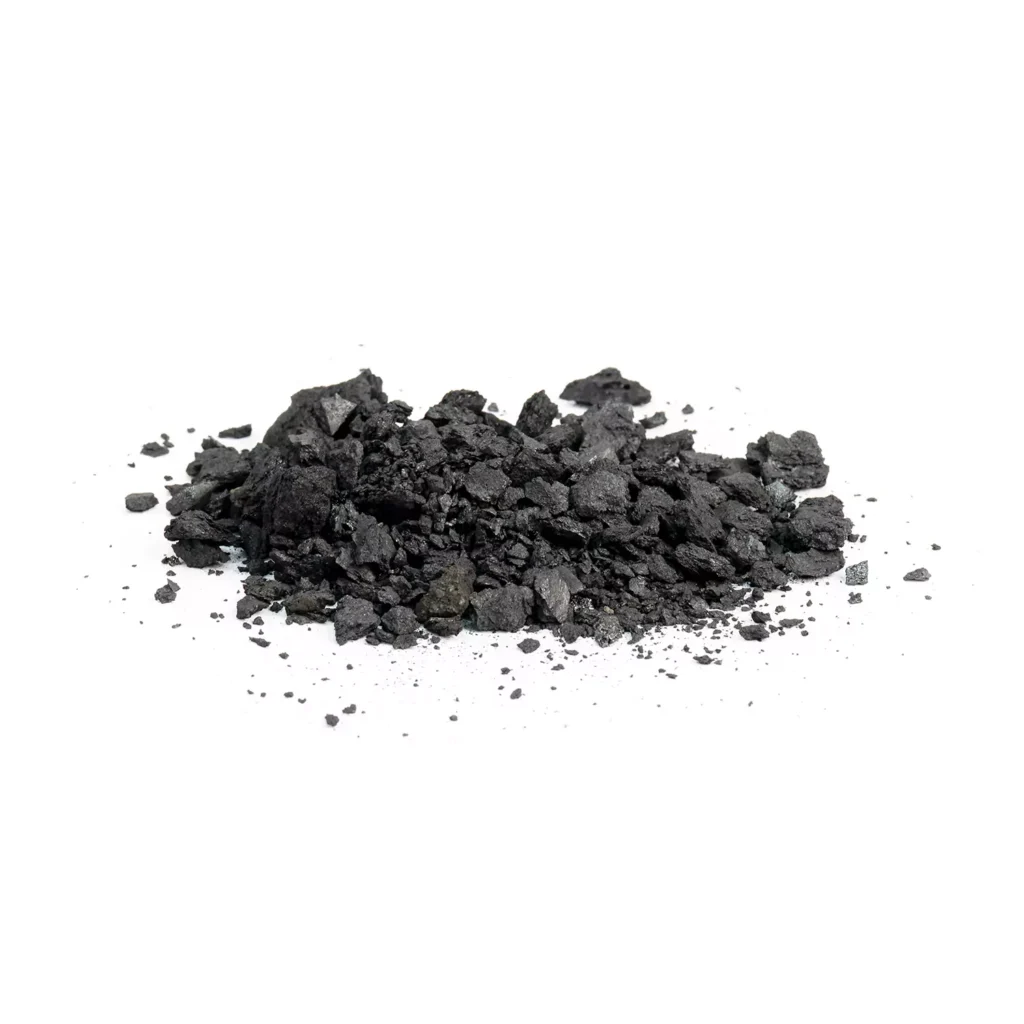
- Biochar — for soil improvement and carbon sequestration
- Wood vinegar and tar oils — for agricultural or industrial use
Each output has its own value chain, allowing producers to achieve zero waste while contributing to carbon reduction.
JSR Charcoal’s Circular Approach
At JSR Charcoal, circularity is embedded in our operations.
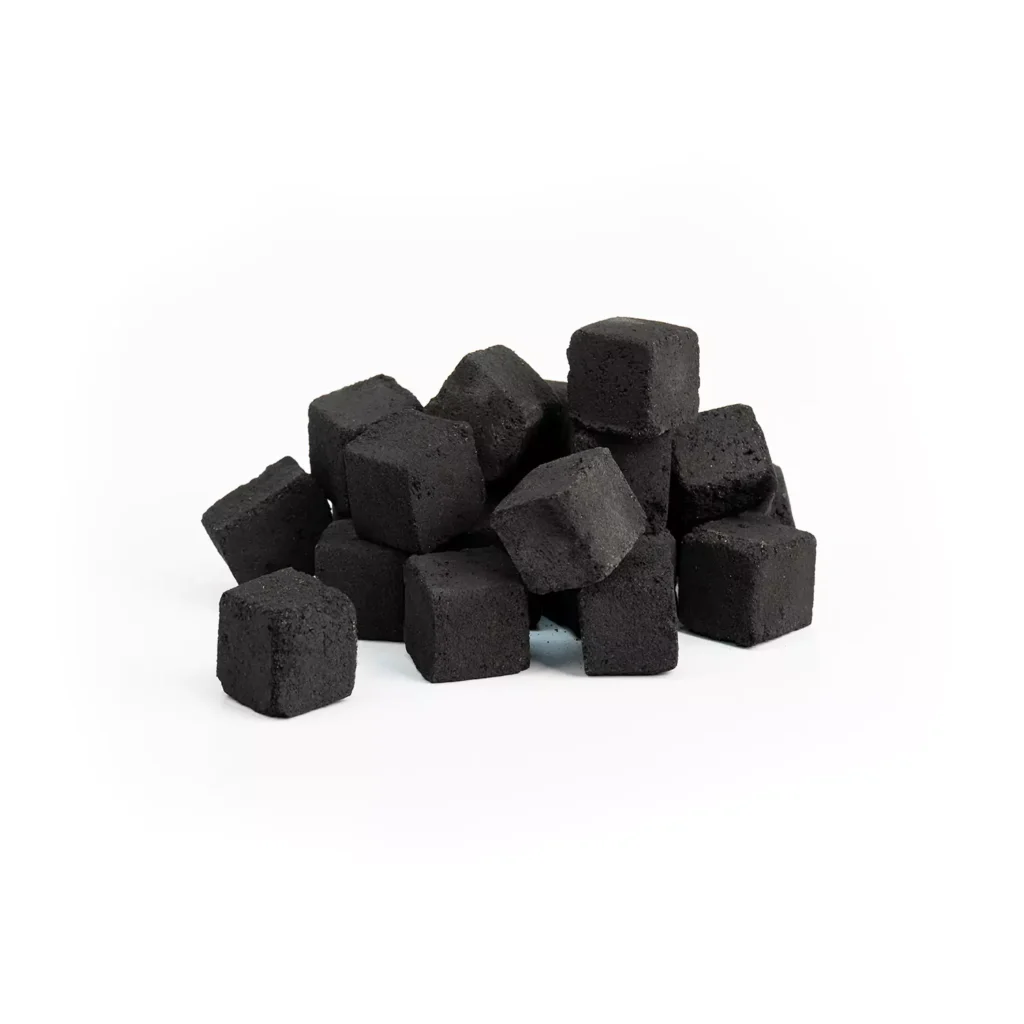
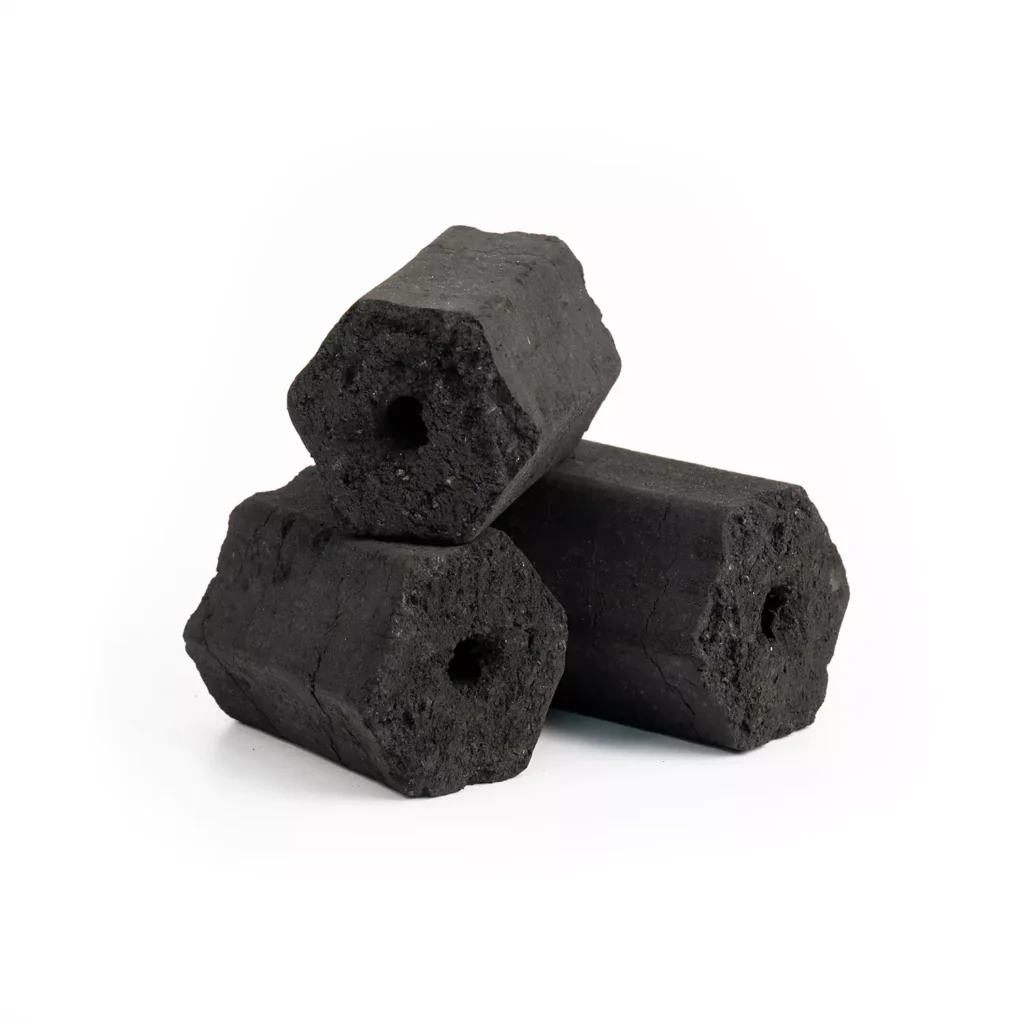
We don’t just produce charcoal — we recover and reuse the byproducts from gasification to generate renewable electricity and valuable co-products.
By channeling syngas from the retort kiln into a generator system, we close the loop within our own process — turning what was once flue gas into clean, usable energy.
The result? Lower emissions, higher efficiency, and greater sustainability.
Why Circular Design Matters
In Malaysia’s push toward Net Zero 2050, the circular economy plays a vital role.
Every ton of biomass reused, every watt of energy recovered, and every emission reduced moves us closer to a resilient, low-carbon economy.
The circular mindset challenges us to ask:
“How can every byproduct become a new beginning?”
When industries think in cycles, not lines, sustainability stops being a goal — it becomes a system.