
Climate change is no longer a distant concern — it’s an economic and industrial reality that Malaysia must face head-on. The Intergovernmental Panel on Climate Change (IPCC) and Malaysia’s Department of Environment (DOE) have highlighted that Southeast Asia, including Malaysia, is among the regions most vulnerable to rising temperatures, unpredictable rainfall, and extreme weather events. For Malaysia’s manufacturing, energy, and agriculture sectors, this means the effects of climate change are already visible — from supply chain disruptions to increased operational costs due to energy fluctuations.
1. The Climate Picture: Local Impacts, Global Drivers
Recent global reports from the IPCC and World Meteorological Organization (WMO) confirm that 2026 continues to be among the hottest years on record. Malaysia, too, has experienced prolonged dry seasons affecting hydroelectric output, flash floods disrupting production hubs, and heatwaves driving up energy demand. These local challenges are directly tied to global warming trends — and they signal the need for stronger adaptation and mitigation strategies across industries.
2. Industrial Resilience: Why Malaysian Businesses Must Adapt
Malaysia’s industrial base — especially manufacturing and energy-intensive sectors — faces growing pressure from both regulatory and market forces to decarbonize. Global buyers are setting stricter sustainability requirements, while domestic policies such as the National Energy Transition Roadmap (NETR) and Low Carbon Nation Aspiration 2040 (LCNA 2040) push companies toward cleaner operations. Businesses that invest early in renewable energy integration, waste-to-energy projects, and efficient energy systems are not only supporting national climate goals but also building resilience against cost volatility and future carbon regulations.
3. Policy Momentum: Malaysia’s Energy Transition Framework
Malaysia’s government has committed to achieving net-zero greenhouse gas emissions by 2050. Under the NETR, the focus areas include expanding renewable capacity, improving grid flexibility, and promoting community-scale energy systems. Complementing this, the Renewable Energy Act 2011 — through the Feed-in Tariff (FiT) and Corporate Green Power Programme (CGPP) — continues to empower local industries to generate and sell green electricity back to the grid. Together, these policies form a roadmap for Malaysia’s private sector to align with both climate responsibility and economic opportunity.
4. What It Means for Malaysian Industries
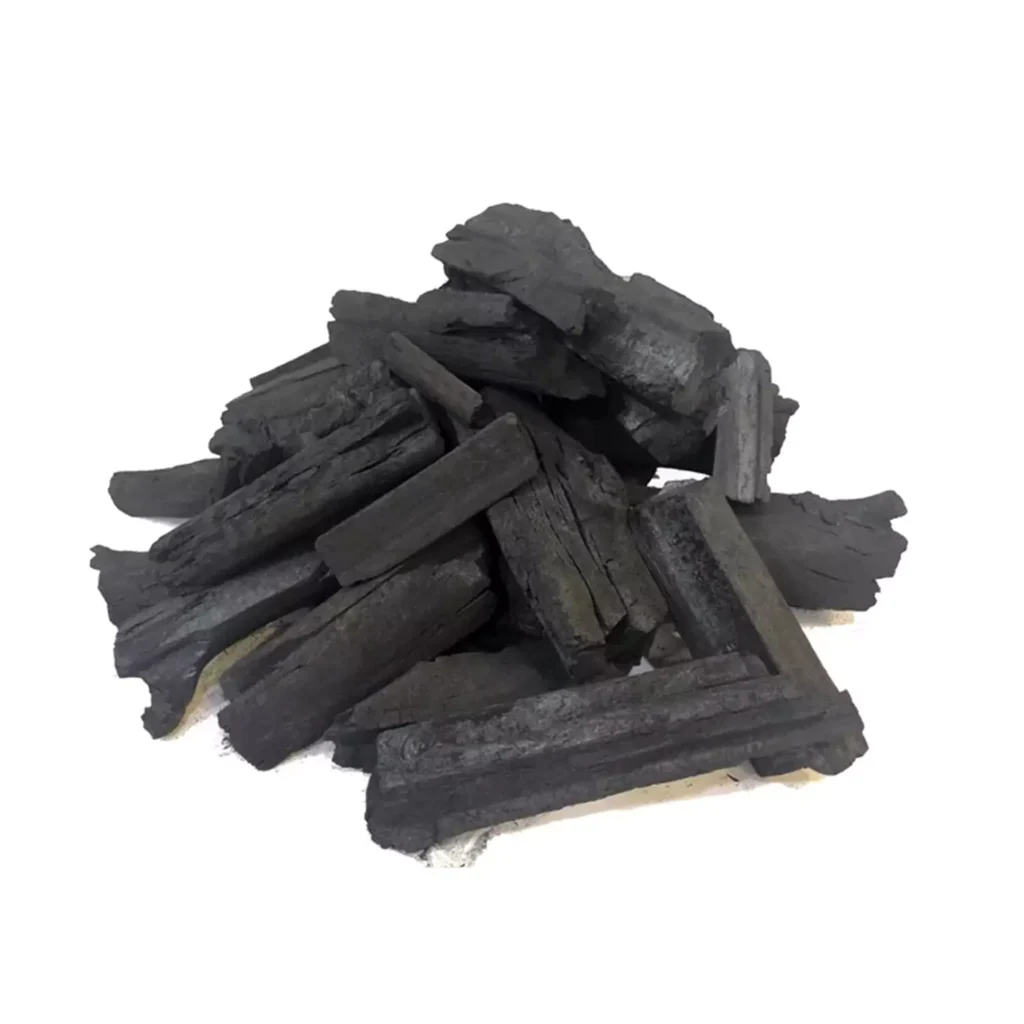
Climate resilience is becoming a business benchmark. Malaysian companies that take proactive steps — through carbon accounting, supply chain transparency, and renewable integration — are better positioned for global competitiveness. Moreover, participation in programs like the FiT, CGPP, or biomass-to-energy projects offers tangible contributions to Malaysia’s renewable mix and carbon-neutral targets. For sectors like palm oil, wood processing, and charcoal production, technologies that convert organic waste into syngas and power will play a pivotal role in creating circular and low-carbon value chains.
5. From Climate Awareness to Industrial Action
Global climate updates serve as a timely reminder: Malaysia’s path to sustainability must be grounded in local innovation and industry collaboration. With the right mix of policy support, technological investment, and corporate leadership, Malaysia can transform its climate challenges into a catalyst for green growth. As 2026 unfolds, the question is no longer whether industries should act — but how quickly they can adapt to secure both the planet’s and their own long-term future.