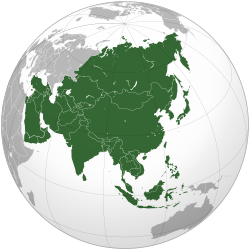
Across Asia, the renewable energy movement is no longer driven solely by large corporations or government initiatives. Increasingly, local communities, cooperatives, and small enterprises are taking the lead — creating a growing wave of community-driven renewable energy (RE) projects that combine environmental impact with social and economic empowerment.
What Are Community Renewable Energy Projects?
Community renewable energy projects are initiatives where the ownership, management, and benefits of energy production are shared among local participants — such as residents, small businesses, or local councils. These projects often involve biomass, mini-hydro, solar, or biogas systems, designed to meet local energy needs while keeping profits and benefits within the community. This model ensures that renewable energy not only powers homes but also supports livelihoods, builds local resilience, and reduces energy poverty — a crucial issue in many parts of Asia.
Success Stories Across the Region
- Japan: Rural cooperatives in Hokkaido and Nagano have launched community-owned solar and biomass plants, where residents jointly invest and share revenue from power sold to the grid. This has revitalized local economies while cutting carbon emissions.
- Philippines: Remote island communities have developed microgrid systems powered by solar and hybrid biomass solutions, providing reliable electricity access for schools, clinics, and small industries that previously relied on diesel generators.
- Thailand: Local agricultural groups have successfully implemented biogas-to-power projects using livestock and crop waste, reducing methane emissions while generating consistent income through renewable energy sales.
These examples illustrate that renewable energy can be both a climate solution and a community development tool, creating opportunities in rural and semi-urban regions across Asia.
Why Community Energy Matters
Community-driven projects play an important role in achieving national renewable energy targets and decentralizing energy production. They empower local groups to take ownership of sustainability initiatives, promote awareness of green technologies, and strengthen collaboration between public institutions, private partners, and civil society. Moreover, community-based models help ensure energy equity — so that the benefits of clean power extend beyond industrial users to include households and small businesses that are often left behind in large-scale developments.
A Growing Relevance for Malaysia
Malaysia’s energy landscape is evolving under the National Energy Transition Roadmap (NETR) and the Renewable Energy Act. As the country moves toward its 2050 net-zero ambition, the community RE model offers a pathway for inclusive growth — enabling more participation from local councils, farmers, and cooperatives.
Policy Alignment:
The claim that the community RE model aligns with Malaysia’s national energy direction is well supported.
The NETR, unveiled in 2023, emphasizes decentralization, energy efficiency, and a significant increase in renewable energy capacity. Meanwhile, the Renewable Energy Act 2011 established the Feed-in Tariff (FiT) scheme, which continues to support smaller-scale, community-level projects such as small hydro, biogas, and biomass.
Inclusive Growth:
This emphasis on community-based participation represents a vital step toward decentralized and sustainable energy development. By enabling local councils, cooperatives, and small enterprises to take part, Malaysia ensures that the renewable transition promotes not just clean energy — but shared prosperity and energy equity across regions.
Powering Change Together
At JSR Charcoal, we see community collaboration as an essential element of the renewable energy transition. Our work in biomass-to-power innovation and industry-academia partnerships demonstrates how shared knowledge and cooperation can turn renewable potential into practical impact — for businesses, communities, and the environment alike.