Turning Biomass Into Power
The journey to a sustainable future isn’t just about new technology; it’s about seeing value in waste. Across Southeast Asia, biomass—from agricultural residues, wood waste, and organic materials—is emerging as a key renewable energy source. Countries in the ASEAN region are finding innovative ways to transform waste into power, creating both environmental and economic benefits.
Thailand: From Rice Husk to Renewable Power
Thailand has been a regional leader in biomass energy, with numerous rice mills and agro-industrial plants converting rice husks into clean electricity.
These small and medium-sized projects collectively contribute hundreds of megawatts to the national grid, reducing rural waste and providing local jobs.
Indonesia: Palm Waste to Clean Energy
Indonesia, with its vast palm oil industry, has successfully turned empty fruit bunches and palm kernel shells into a renewable fuel source. Through government-supported biomass programs, power plants fueled by palm residues are now operating in several provinces—reducing methane emissions and improving rural electrification.
Malaysia: Leading the Charge with Resourceful Innovation
Malaysia has significant potential in biomass energy, particularly from its abundant resources in oil palm and wood-based industries. Through initiatives like the Feed-in Tariff (FiT) managed by SEDA Malaysia, more companies are now exploring waste-to-energy solutions that align with national renewable energy goals, including the National Energy Transition Roadmap (NETR).
National Biomass Trends
The Malaysian landscape showcases a thriving transition fueled by domestic resources:
- Oil Palm Biogas: Numerous commercial projects successfully utilize highly polluting wastewater (Palm Oil Mill Effluent or POME) to capture methane gas and convert it into grid-ready biogas electricity. This process transforms a major environmental liability into a valuable energy asset.
- Waste-to-Energy (WTE): WTE facilities are increasingly being developed across the country to manage industrial and municipal solid waste, further diversifying the national grid and reducing reliance on traditional landfills.
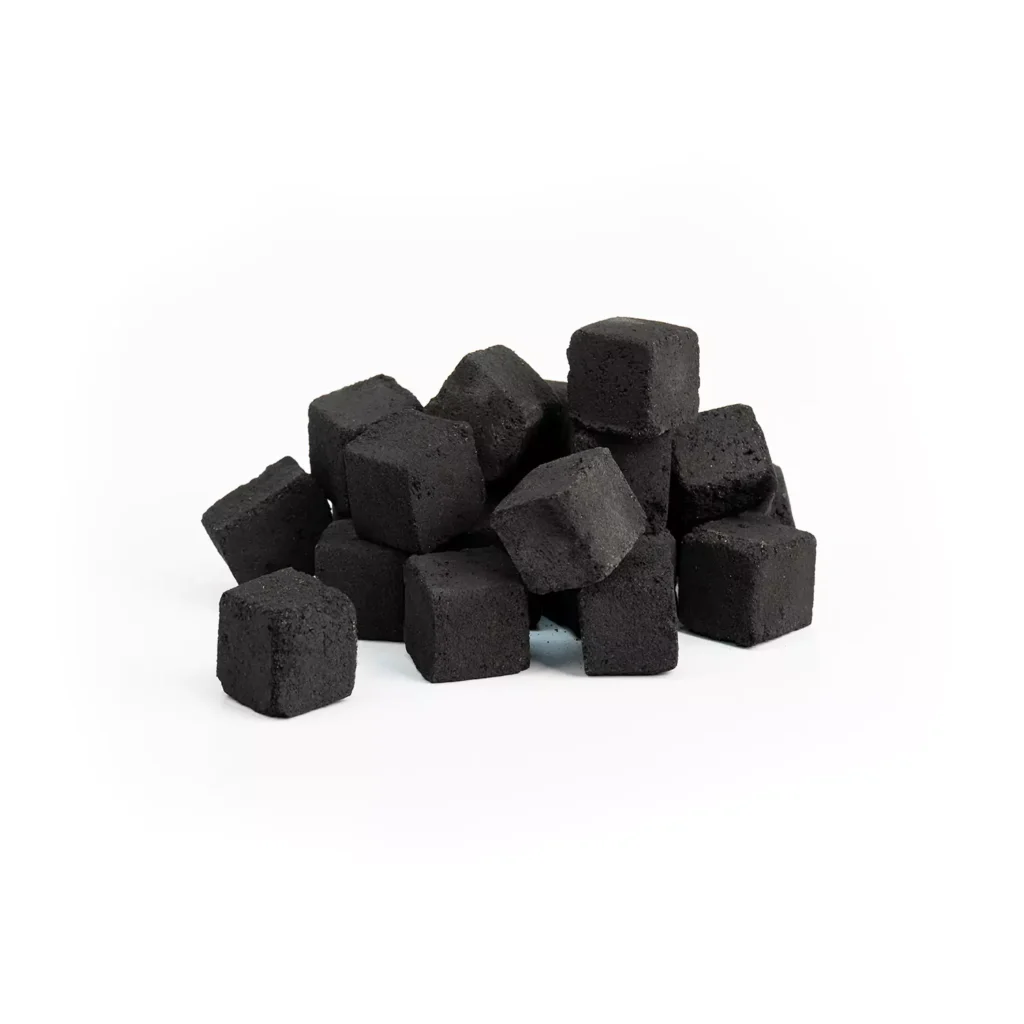
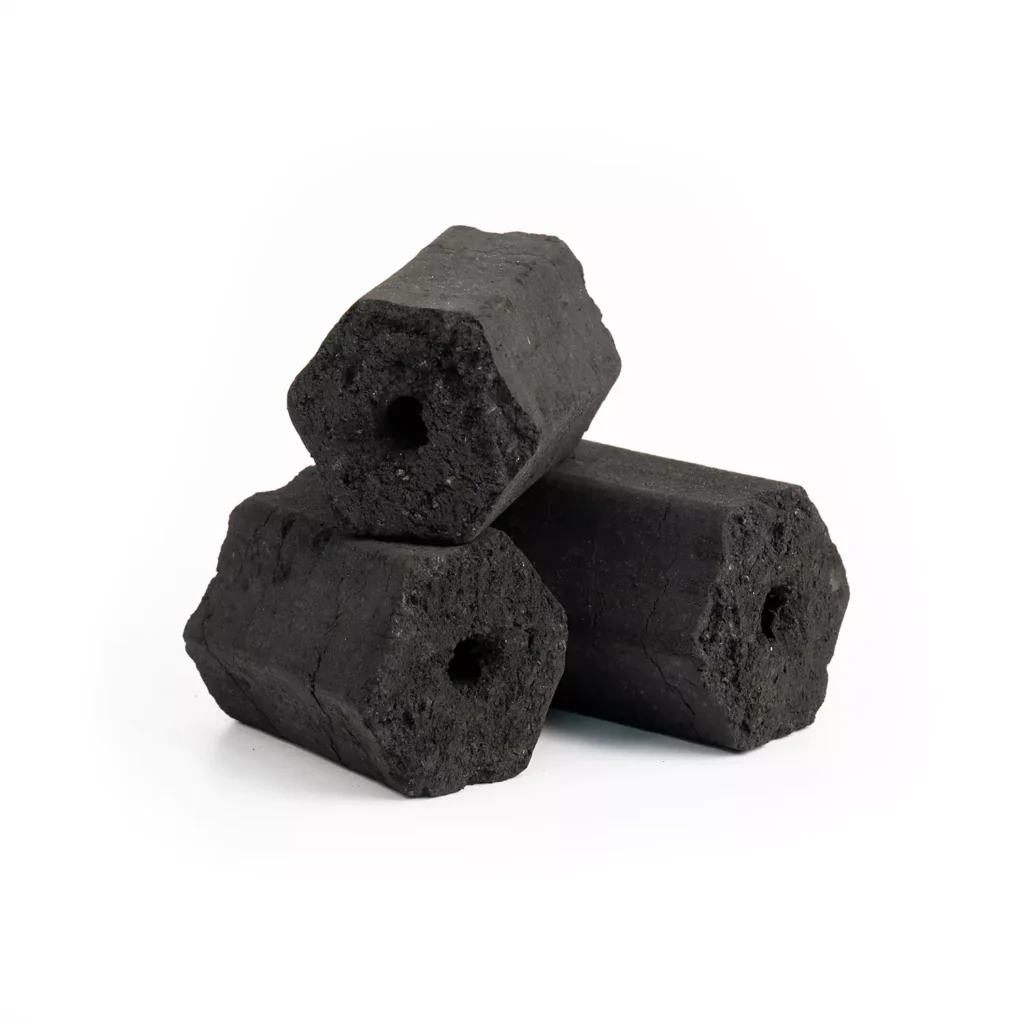
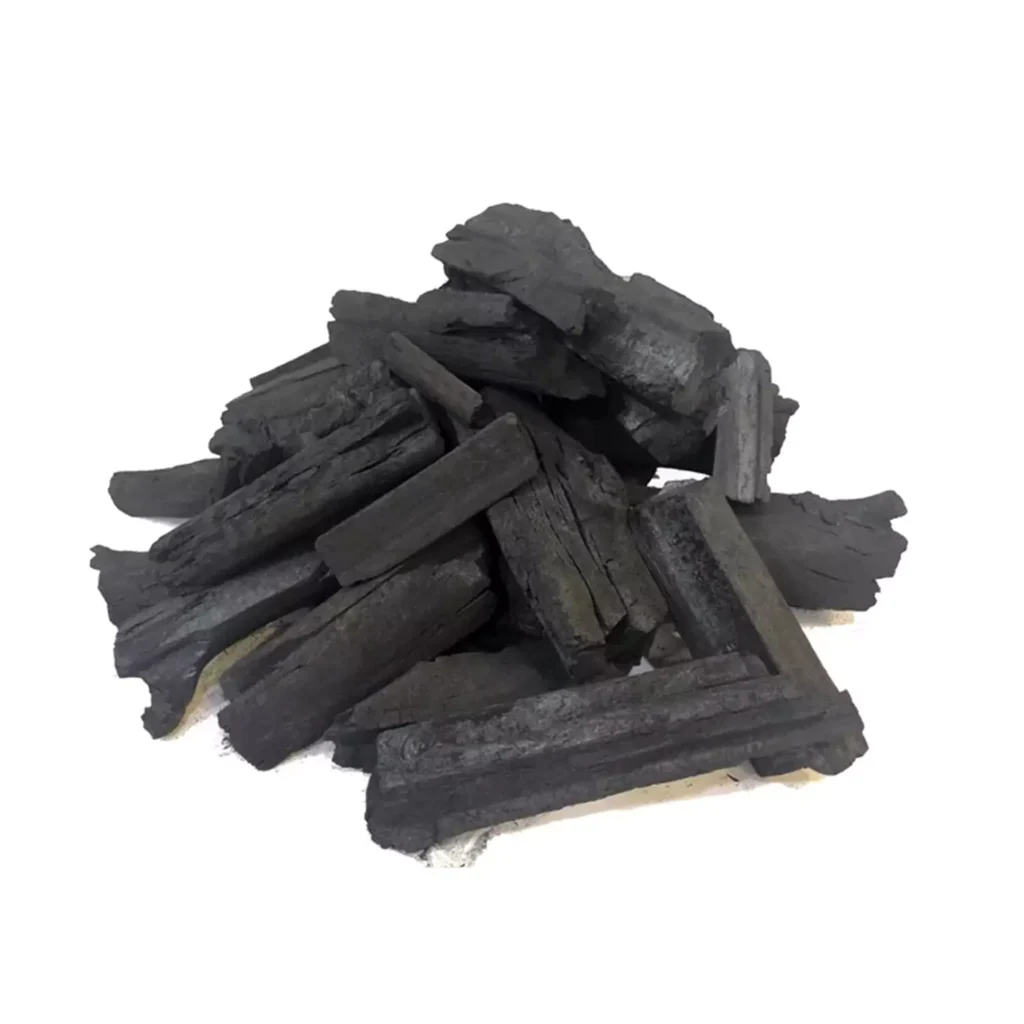
JSR Charcoal’s Pioneering Approach: Our own efforts to transform syngas (a high-value gas produced during pyrolysis) from our sustainable charcoal production into renewable electricity reflect this national momentum. We are pioneering a circular industry model that maximizes the energy value of sawdust waste, ensuring we contribute to Malaysia’s green grid while setting a benchmark for responsible industrial practice.
Regional Lessons for a Greener Future
From these ASEAN success stories and Malaysia’s own growing portfolio, several key lessons stand out for a successful green journey:
- Policy Drives Innovation: Waste becomes a resource when technology and robust policy frameworks (like FiT) align.
- Socio-Economic Impact: Community-scale renewable projects create lasting social and economic benefits, especially in rural areas.
- Long-Term Certainty: Guaranteed mechanisms are vital to attract the necessary private-sector investment for large-scale transition.
As Malaysia continues its journey toward a low-carbon future, embracing diverse biomass streams and supporting pioneering projects like JSR Charcoal’s syngas initiative will be key to unlocking even greater progress.
About JSR Charcoal
At JSR Charcoal, we believe renewable energy is more than a trend — it’s the foundation of sustainable industry. By integrating biomass energy technology into our operations, we aim to contribute meaningfully to Malaysia’s renewable transformation while setting an example for responsible, circular industry practices. Ready to learn more about our sustainable charcoal and green energy initiatives? Contact us today!